
Home / Blogs / Microdosing MDMA: Unlocking the Potential of Minimal Doses
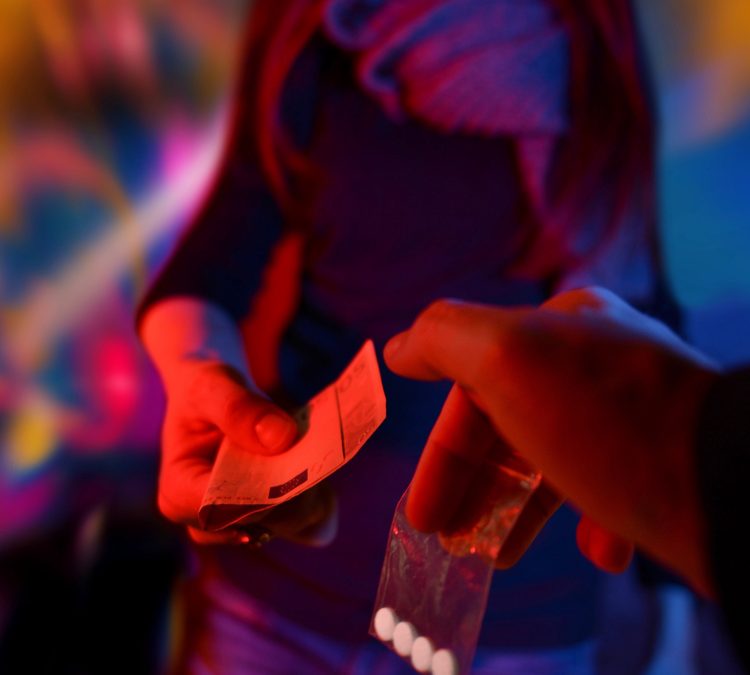
In recent years, there has been a growing interest in the practice of microdosing MDMA, a synthetic drug commonly known as Molly. Unlike traditional recreational use, microdosing involves taking minimal amounts of MDMA to explore its potential effects without experiencing the intense euphoria associated with a regular dose. This article aims to delve into the concept of microdosing MDMA, exploring its effects, potential benefits, and the importance of understanding the associated risks.
Microdosing refers to the practice of taking small, sub-perceptual doses of a drug to experience its perceived positive effects without experiencing a full high or adverse side effects. While research on microdosing is still limited, many individuals have reported using this approach to self-medicate mental health disorders such as post-traumatic stress disorder (PTSD) and anxiety. It is important to note that repeated drug exposure, even in minimal amounts, carries the risk of physical and emotional dependence.
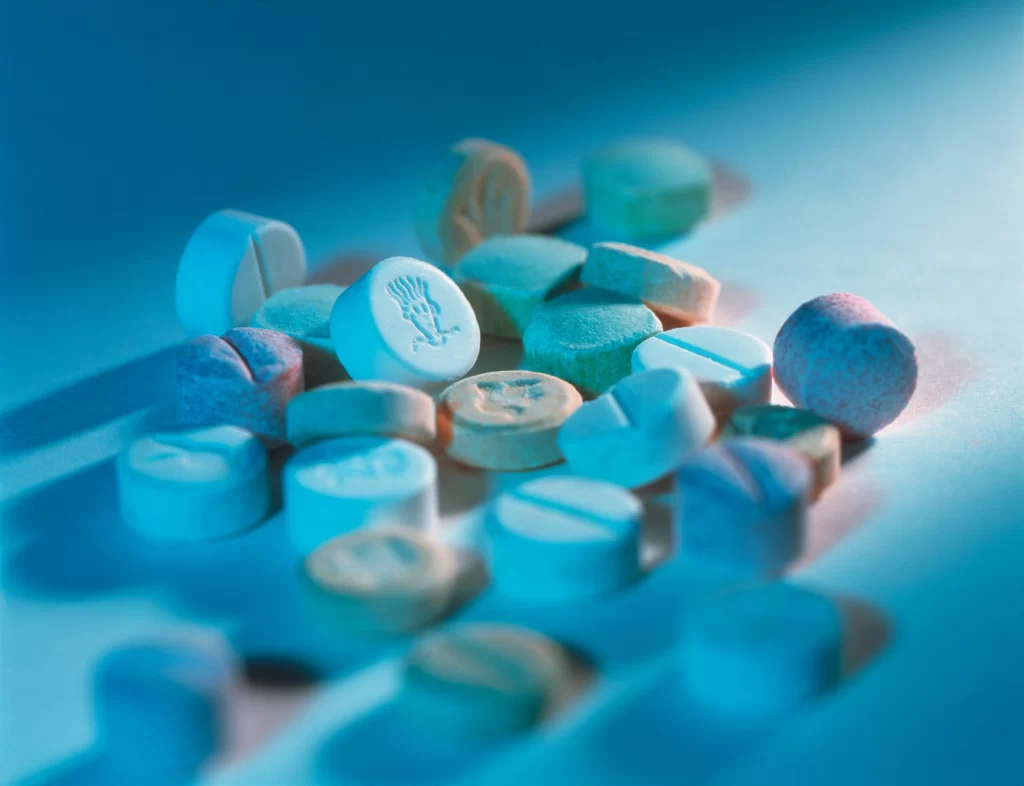
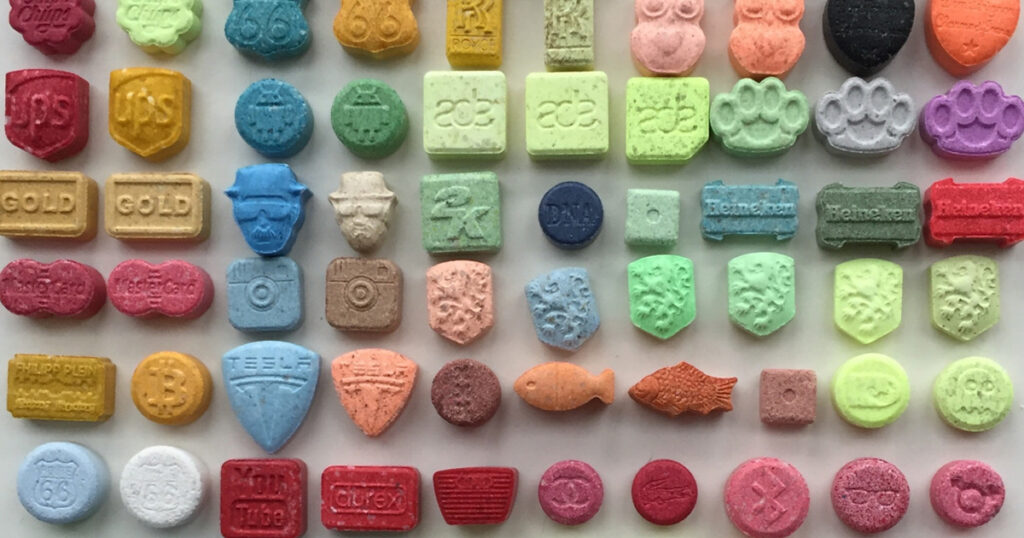
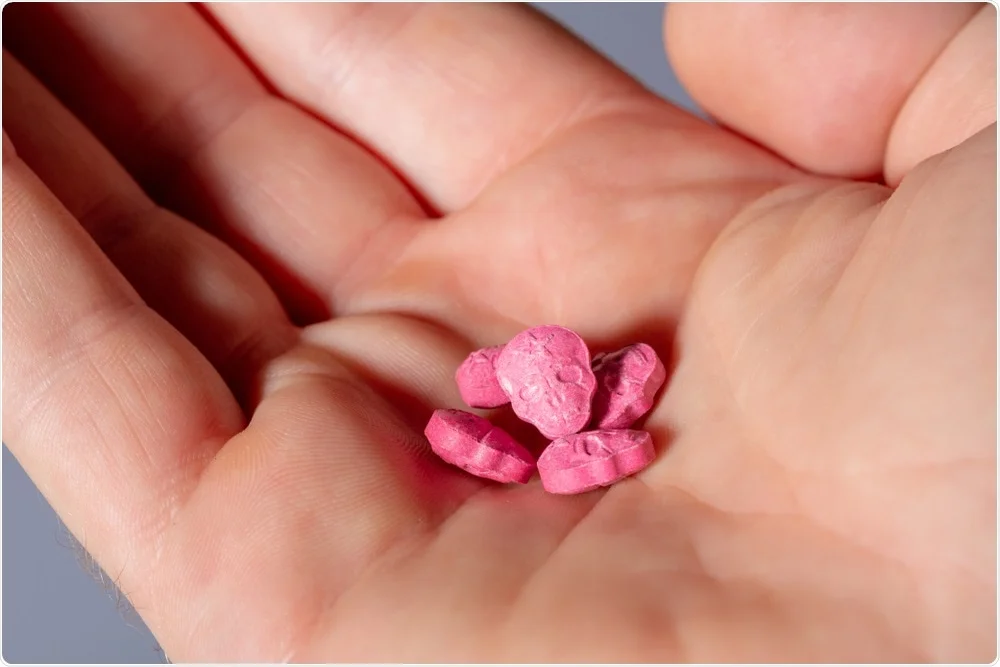
MDMA, also known as 3,4-methylenedioxymethamphetamine, is a synthetic drug classified as a stimulant and empathogen. Chemically similar to both stimulants and hallucinogens, MDMA is typically found in colorful tablets, capsules, or powder form. It is most commonly ingested orally, but some users may crush and snort it or dissolve it in liquid for injection.
Recreational use of MDMA induces feelings of euphoria, increased sociability, emotional openness, and empathy. Users often experience heightened sensory perception and a distorted sense of time. However, it is important to be aware of the potential risks and dangers associated with MDMA use, including dehydration, cardiovascular issues, cognitive impairments, mood swings, and the risk of engaging in risky behaviors
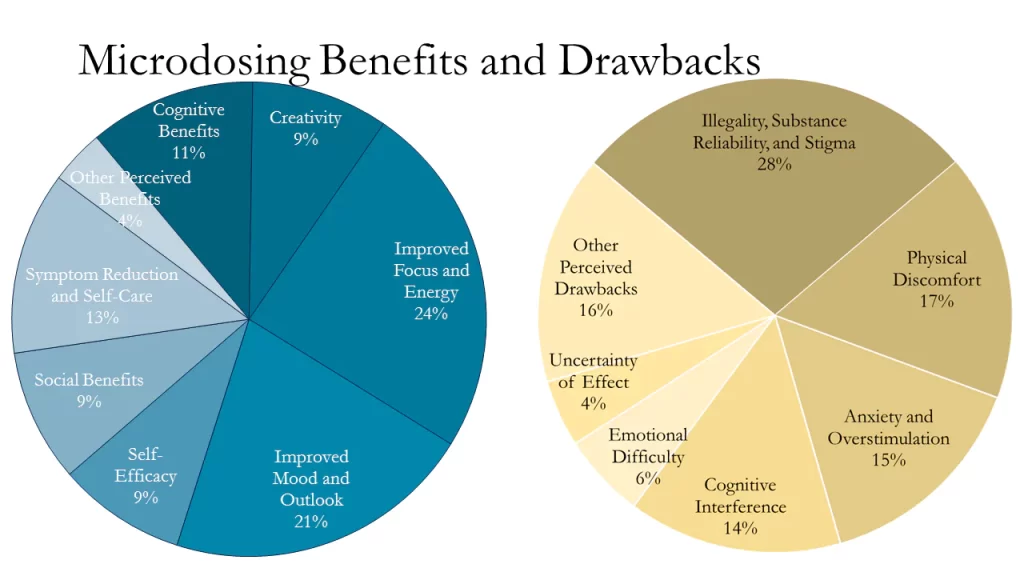
The idea behind microdosing MDMA is to explore the mood-enhancing effects of the drug in small, controlled doses. Unlike recreational use, microdosing aims to harness the potential benefits of MDMA without experiencing the intense high or adverse side effects. Many individuals who have experimented with microdosing MDMA report improved mental health and mood stability. However, it is crucial to note that these claims are largely anecdotal, and scientific research supporting these claims is limited.
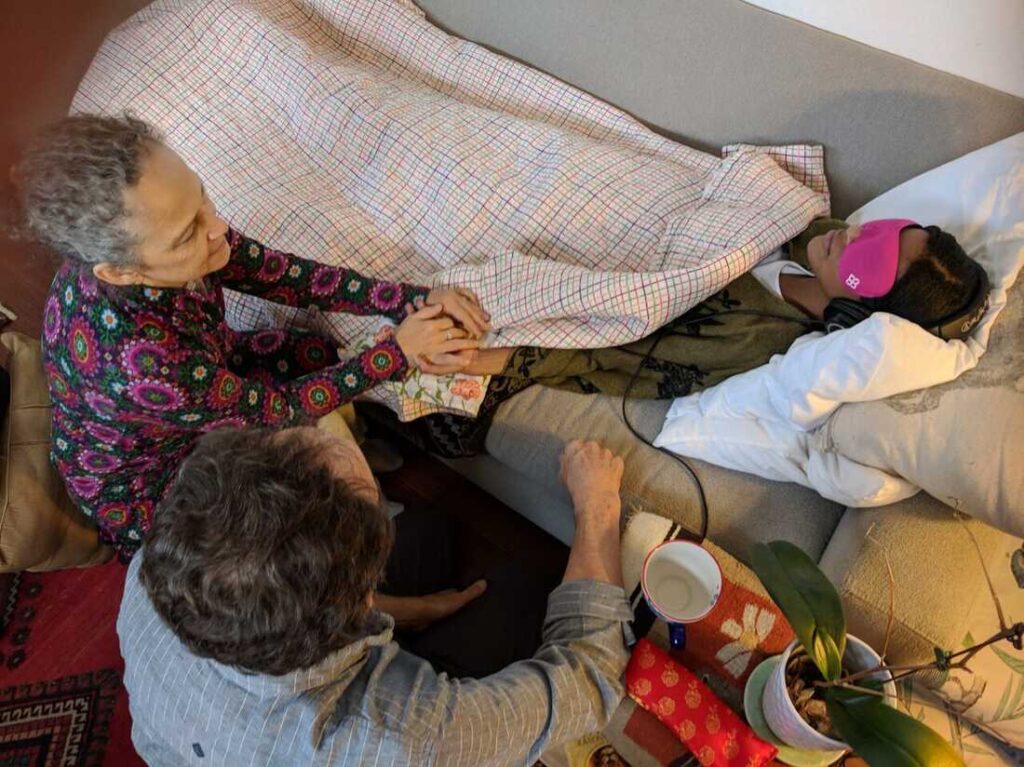
While scientific evidence supporting the benefits of microdosing MDMA is still emerging, some preliminary studies suggest potential positive outcomes. In controlled studies using standard doses of MDMA, participants reported reduced symptoms of depression, social anxiety, and post-traumatic stress disorder (PTSD). MDMA-assisted therapy has shown promise in facilitating emotional healing and promoting a sense of emotional safety and openness.
Although the research on microdosing MDMA is still in its early stages, some individuals have reported experiencing heightened focus, creativity, productivity, and energy. Others have reported decreased anxiety, depression, and stress, as well as reduced cravings for addictive substances. It is important to recognize that individual experiences may vary, and more research is needed to fully understand the potential benefits and risks of microdosing MDMA.
While microdosing MDMA may hold potential benefits, it is essential to approach it with caution and consider the associated risks. MDMA is a Schedule I controlled substance in many jurisdictions, making it illegal to produce, possess, or distribute. Engaging in microdosing puts individuals at risk of legal repercussions, which can have serious personal and professional consequences.
Furthermore, frequent microdosing can lead to the development of tolerance, where the body becomes desensitized to the effects of the drug. This can prompt individuals to increase their dosage, increasing the risk of dependence and addiction. Individuals with pre-existing mental health conditions, such as anxiety or depression, should exercise caution, as microdosing may exacerbate these issues rather than alleviate them.
If you are considering microdosing MDMA, it is crucial to develop a well-informed and responsible protocol. Before starting, it is important to consult with a healthcare professional to discuss the potential benefits and risks, especially if you have any pre-existing medical conditions or are taking other medications. A healthcare professional can provide guidance on dosage, frequency, and monitoring your overall well-being during the microdosing process.
One commonly used microdosing protocol is the Fadiman protocol, developed by Dr. James Fadiman, a recognized authority on microdosing. This protocol involves taking a fraction of a regular dose, usually around 10% to 20%, on a pecific schedule. Dr. Fadiman recommends taking the first microdose on a day with no significant obligations and carefully tracking the effects and any side effects in a journal. Adjustments to the dosage can be made based on individual responses and goals.
Safety and harm reduction should be a top priority when engaging in microdosing MDMA. Here are some key considerations to promote a safe and responsible microdosing experience:
While anecdotal reports and early studies suggest potential benefits of microdosing MDMA, it is essential to emphasize the importance of ongoing research and professional guidance. Scientific studies and clinical trials are critical for
understanding the safety, efficacy, and long-term effects of microdosing MDMA.
Seeking professional guidance from a healthcare provider, therapist, or psychiatrist who is knowledgeable about psychedelic-assisted therapies can provide valuable insights and ensure a comprehensive approach to mental health and well-being.

Microdosing MDMA offers a unique approach to explore the potential benefits of the drug without the intense high associated with recreational use. While anecdotal reports suggest positive outcomes, it is crucial to approach microdosing with caution, considering the associated risks and legal implications. Professional guidance, responsible dosing, and careful monitoring of physical and mental well-being are essential to ensure a safe and meaningful microdosing experience. As research continues to unfold, we can gain a better understanding of the potential benefits and risks of microdosing MDMA, opening new avenues in mental health treatment and exploration.